Common Eye Allergies - Types, Symptoms, Causes, & Treatment
- By Centre For Sight
- 6 minutes
Blog Summary
- Eye allergy (allergic conjunctivitis) is your eye’s reaction to triggers like pollen, dust, pet dander, mold, smoke, or perfumes.
- Symptoms: Itchy eyes (want to rub), redness, watering or stringy clear discharge, burning/gritty feel, light sensitivity in both eyes.
- Home remedies: Cold compress, preservative-free artificial tears, don’t rub your eyes, and rinse your hands after being outdoors.
- Contact lens: Take a break during flares; consider daily disposables; keep lens and case hygiene strict.
- Prevent flares: Wear protective sunglasses outside, keep windows closed in high-pollen hours, use AC/HEPA if you can, wash bedding weekly, change pillowcases often, and replace eye makeup every 3–6 months.
- When to see a doctor: Symptoms last more than a week, affect vision, or you have strong pain, light sensitivity, or thick discharge.
Eye allergies happen when your eyes react to everyday triggers like pollen, dust, or pet dander. Many people confuse eye allergy symptoms with infections or dry eye, which can delay the right care. This blog explains what eye allergies are, the causes and triggers, simple treatments, and smart prevention so you can get quick relief and fewer flare-ups.
What Are Eye Allergies?
Eye allergies (allergic conjunctivitis) are immune reactions of the thin, clear layer covering the white of the eye and inner eyelids. When allergens come into contact with this surface, your body releases histamine and other chemicals, leading to itching, redness, watering, and swelling. It's common, usually affects both eyes, and appears with nasal allergies like sneezing or a stuffy nose.
Eye Allergy Symptoms
Below are the eye allergy symptoms:
- Itchy eyes that make you want to rub:
It's the first thing people notice, and it can feel nonstop on some days. You feel like rubbing will give quick relief, but it makes the itching stronger later. If your eyes itch more after stepping outside, travelling, or sitting near a fan/AC, allergies can be a reason.
- Redness with mild swelling of the lids:
The white part of the eye can look pink or red, and the eyelids look slightly puffy. This swelling is soft and mild, not painful or hard. Many people notice it more in the morning or after coming back from a dusty place.
- Watery or stringy, clear discharge (not thick pus):
Allergies cause watery eyes, and sometimes the tears feel sticky or stringy. The discharge is clear or whitish and not heavy like an infection.
If you're cleaning your eyes but they keep watering, it can still be allergy-related.
- Burning or gritty "sand-in-the-eye" feeling:
Along with itching, some people feel burning, irritation, or a scratchy sensation. It can feel like something is stuck in the eye even when nothing is there.
- Light sensitivity and tired eyes after screens:
When the eyes are already irritated, bright light can also feel uncomfortable and screens can feel more tiring than usual. You start squinting more, blinking less, and feeling strain faster in your everyday life.
- Both eyes are involved, and worsen outdoors or during certain seasons:
Eye allergies commonly affect both eyes, though one side feel worse at times. If it keeps happening in a pattern every year, that pattern itself is a clue.
Eye Allergy Causes
Below are the eye allergy causes:
- Pollen from trees, grass, or weeds:
Pollen is a seasonal trigger, especially when the weather is dry and windy. Even short outdoor exposure can set off itching and watering in sensitive people and can feel worse in the morning or when you travel through green areas.
- Household dust and dust mites:
Dust allergies show up at home, not outside. Bedding, mattresses, curtains, and old sofas can hold dust mites, and symptoms are worse when you clean the house.
- Pet dandruff (cats, dogs) and feathers:
Some people react to tiny skin flakes and saliva proteins from pets, even if the pet looks perfectly clean. The tricky part is that symptoms build up slowly, so people don't always connect it to the pet or bedding.
- Mold spores in damp rooms:
Mold spores can irritate the eyes and also trigger sneezing or a blocked nose. Damp corners, bathrooms, kitchens, and poorly ventilated rooms can grow mold very easily.
- Air irritants like smoke, perfumes, incense, or pollution:
These may not be "allergies" for everyone, but they can irritate already sensitive eyes and make symptoms feel much worse. In cities like Delhi, this trigger is especially common during high AQI days.
Eye Allergy Diagnosis
Below are the ways doctors diagnose an eye allergy:
- History of itching/redness that comes and goes, with nose symptoms:
Doctors start by listening to the pattern, when it happens, how long it lasts, and what seems to trigger it. Eye allergy comes with sneezing, runny nose, or nasal blockage. This "eye + nose" combo is a strong hint.
- Eye exam to check conjunctiva, lids, and tear film:
A simple eye exam helps the doctor look for allergy signs like redness on the conjunctiva, mild lid swelling, and dryness on the eye surface. They also check the lash line and eyelid margins, because lid irritation can keep symptoms going.
- No corneal ulcer or thick pus (points away from infection):
The doctor checks for red flags that suggest infection or another eye problem. Thick yellow/green discharge, severe pain, or a corneal ulcer is not average for simple allergy. This step matters because treatment differs a lot between allergy and infection.
- Response to allergy drops/lubricants supports the diagnosis:
If the symptoms improve with lubricants and anti-allergy drops, it further supports the diagnosis. Many people feel relief in itching and watering once the right drops start working.
- Allergy testing can be suggested if symptoms are frequent or severe:
If the problem keeps returning, lasts for months, or affects daily life, doctors will suggest allergy testing. It's especially useful when you're not sure what is setting it off or when you're reacting to multiple things.
Eye Allergy Cure or Treatment
Below are the eye allergy cure or treatment:
- Cold compresses 2/3 times daily for quick itch relief.
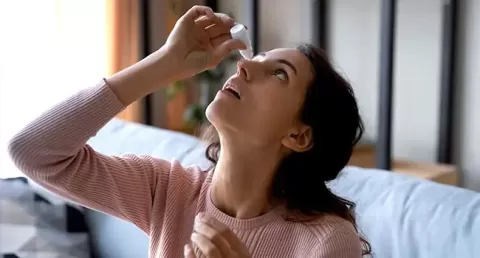
- Preservative-free artificial tears to wash out allergens.
- Antihistamine/mast-cell stabilizer drops as advised by your doctor.
- Short, doctor-guided steroid drops only for severe flares.
- Oral antihistamines if nose symptoms are strong (can dry eyes, balance with tears).
- Contact lens break; switch to dailies or review lens hygiene.
- Treat related lid issues (blepharitis) to reduce triggers.
- Allergen immunotherapy with an allergy specialist when symptoms are frequent and hard to control.
How Can I Prevent Eye Allergies?
Below are the ways by which you can prevent eye allergies:
- Keep your hands off your eyes; wash your hands and face after spending time outdoors.
- Wear wraparound UV sunglasses during high-pollen hours.
- Keep windows closed on dusty or windy days; use AC/HEPA filters if possible.
- Change pillowcases frequently; wash bedding in hot water weekly.
- Replace eye makeup every 3/6 months; remove it fully each night.
- Rinse eyes with preservative-free tears after exposure (gardening, commuting).
- Manage room humidity and fix damp areas to limit mold.
- For contact lens users, avoid sleeping in lenses and never wear them during flares.
Conclusion
Eye allergies are uncomfortable but very manageable with the right routine. Identify your triggers, keep a simple daily care plan, and use doctor-recommended drops during flares. If symptoms are severe, last more than a week, or affect vision, see an eye doctor to fine-tune treatment and prevent repeat episodes.
Frequently Asked Questions
How do you treat eye allergies?
Is eye allergy harmful?
Will eye allergy go away?
How long do allergies last?
Can eye allergies go away forever?
Could not find what you are looking for?


