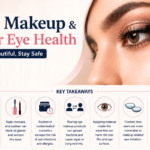

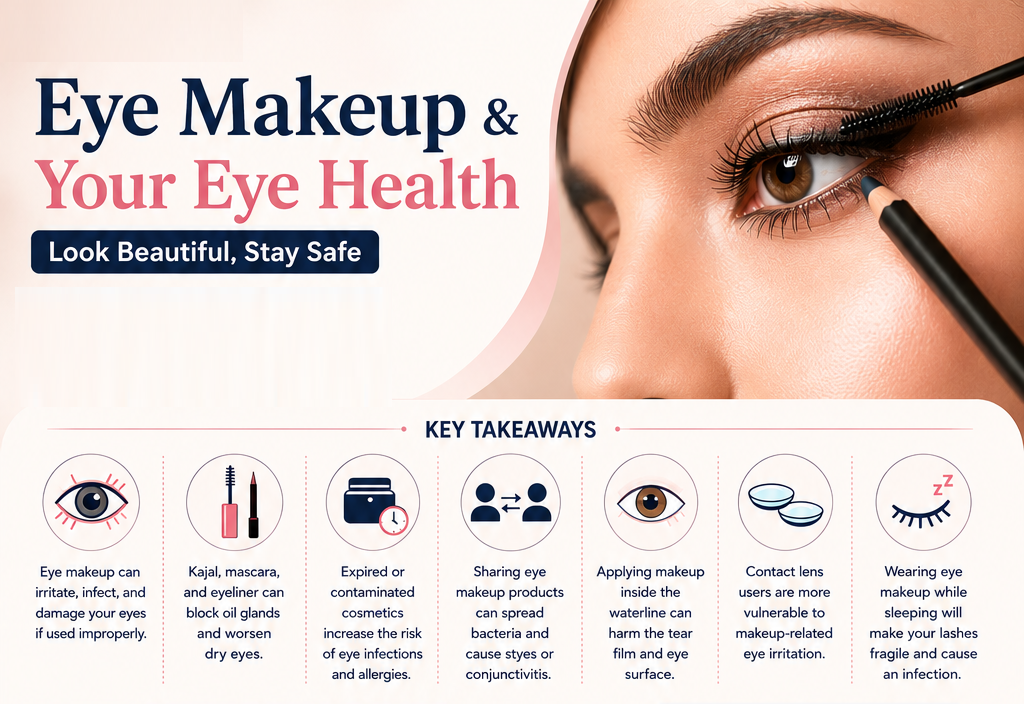
Key Takeaways
|
Millions of people reach for kajal, mascara, and eyeliner every single morning, often without a second thought about what those products might be doing to their vision over time. But here’s the uncomfortable truth: the very products designed to make your eyes look stunning could be quietly damaging them. In this blog, we break down exactly how eye makeup interacts with your eye health, the side effects of eye makeup you need to know about, and practical steps to protect yourself without giving up your beauty routine.
Why Eye Makeup Can Be Risky for Your Eyes?
Most eye cosmetics are applied extremely close to delicate eye tissues. Products like kajal, mascara, eyeliner, glitter eyeshadows, and false eyelash adhesives can easily get into the eyes or block the important oil glands around the eyelids.
Kajal and Surma are commonly used from childhood among Indians. Despite the claims of safety in modern-day cosmetics, many locally available or unregulated cosmetics can be harmful. Some harmful components may include excessive amounts of lead, carbon soot, or irritating preservatives.
The answer lies with the ophthalmologists; continuous use of contaminated or expired cosmetics can increase your risk of eye allergies, infections, and even dry eye syndrome.
So, you are wondering — Does makeup affect eyes? It certainly does!
What are the Side Effects of Eye Makeup?
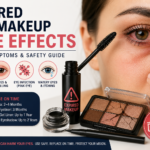
For starters, to understand whether makeup is harmful to your eyes, you need to consider all the possibilities. These are the medically verified side effects:
| Common Side Effect | How does it happen? | Symptoms |
| Eye Irritation and Redness | Chemicals, fragrances, or pigments in eye cosmetics irritate sensitive eye tissues | Redness, burning, itching, and watering |
| Eye Infections | Dirty brushes, expired products, or shared makeup spread bacteria and germs | Pink eye, swelling, discharge, and styes |
| Dry Eyes | Eyeliner and kajal can block the oil glands needed for healthy tear production | Dryness, gritty feeling, and blurred vision |
| Corneal Scratches | Mascara wands or eyeliner pencils may accidentally poke the eye during application | Pain, tearing, and light sensitivity |
| Allergic Reactions | Certain preservatives, adhesives, or glitter pigments trigger allergies | Swelling, itching, and rashes around the eyes |
| Blocked Eyelid Glands | Heavy makeup near the lash line clogs meibomian glands | Irritation, watery eyes, and eyelid discomfort |
| Eyelash Damage | Sleeping with mascara or improper false lash removal weakens lashes | Lash breakage and lash fall |
| Contact Lens Irritation | Make-up particles get trapped under contact lenses | Discomfort, redness, and blurry vision |
Tips to Avoid Harm to Your Eyes Caused by Eye Makeup
Protecting your eye health doesn’t mean abandoning makeup. It means being conscious about how you use it. These are tips you can follow to prevent harm to your eyes.
- Remove eye makeup completely before sleeping: Sleeping with mascara and liner on is one of the most damaging habits for long-term eye health. Use a dedicated, oil-based remover for waterproof products rather than rubbing harshly.
- Replace mascara every 3 months: Old mascara can collect bacteria over time, raising the risk of eye infections and irritation. Hence, set a reminder if needed, but change it.
- Avoid applying kajal or liner inside the waterline: Applying products inside the waterline can block oil glands and disturb the natural tear film.
- Do not share eye makeup products with others: Sharing mascara, eyeliner, brushes, or applicators can spread bacteria and eye infections.
- Patch test new products before use: Apply a small amount near (not on) your eye area at least 24 hours before full use. Testing products near the eye area helps identify allergic reactions before full application
- Choose ophthalmologist-tested formulas: Several brands offer products tested for eye safety. Look for labels that say “ophthalmologist tested.” Eye-safe and clinically tested products are less likely to irritate sensitive eyes
- Clean your makeup brushes weekly: Dirty brushes collect oil, dirt, and bacteria that can lead to eye irritation or infections. A mild baby shampoo works well and is gentle enough for tools used near sensitive skin.
- Avoid harsh rubbing while removing makeup: Excessive rubbing can irritate the delicate skin around the eyes and damage eyelashes.
- Store cosmetics properly: Keep makeup in a cool, clean place to reduce contamination and product spoilage.
- Stop using products if irritation occurs: Continued use after redness, itching, or swelling can worsen eye damage or allergies.
When to Consult an Eye Specialist?
If you notice any abnormal redness, drainage, stye formation, blurred vision, or dryness that persist despite removing makeup, it is best not to treat yourself with home remedies, but visit an ophthalmologist. The eye problems caused by beauty products, such as chronic dry eyes and meibomian gland dysfunction, are quite easy to manage in the early stages.
Conclusion
Eye makeup can enhance beauty and confidence, but improper use can quietly damage your eyes over time. From contaminated mascara and expired kajal to blocked oil glands and allergic reactions, the side effects of eye makeup are more common than many people realize. If you have ever wondered can makeup affect your eyes, the answer is yes, especially when hygiene, expiry dates, or product quality are ignored.
If you know how makeup affects eyes, then you will have an idea of how to use it without compromising your safety. By choosing only good products, being hygienic, never sharing, and properly removing makeup, you can protect your sight from potential damage.
FAQs:
Is makeup bad for your eyes if used regularly?
No, makeup is not bad for your eyes even if used regularly. It does not necessarily damage your eyes. Yet unsanitary conditions, expired makeup, and wrong removal procedures can lead to irritation and infections.
Do makeup products influence the eyes differently if you use contact lenses?
Yes, makeup products influence the eyes differently if you use contact lenses. Wearing lenses makes you even more susceptible to irritations and infections caused by makeup products.
Can makeup affect your eyes permanently?
Yes, makeup can affect your eyes permanently. In severe cases, untreated infections or cosmetic-related corneal injuries affect vision.
What are the most common side effects of eye makeup?
The most common side effects of eye makeup include redness, itching, dry eyes, allergies, styes, and eye infections.
How long can I safely wear eye makeup in a day?
You can wear eye makeup safely for 8–10 hours in a day as per eye specialists. Avoid sleeping in it and ensure thorough removal with a proper makeup remover each time.
What should I do if I get makeup in my eye?
If you get makeup in your eye, then rinse the eye immediately with clean water. If irritation, redness, or pain persists for more than a few hours, consult an ophthalmologist rather than attempting to treat it at home.
Is Kajal safe for daily use?
No, daily use of kajal, especially inside the waterline is not recommended by ophthalmologists. The soot and preservatives it contains can irritate the ocular surface over time. If you use it regularly, apply it outside the lash line only and remove it thoroughly each night.