When Is the Right Time for Cataract Surgery?
- By Centre For Sight
- 8 minutes
Blog Summary
- You don’t need cataract surgery right away.
- The best time is when blurry vision starts to limit daily life (such as reading, driving, and using screens) even after updating your glasses.
- Night glare, halos, and starbursts, especially while driving, are common signs that it is time.
- Regular eye tests track how fast the cataract is changing; a quicker decline often means earlier surgery helps.
- Other eye problems (like glaucoma or macular issues) and your work/hobbies can change the timing.
- You can wait if you’re coping, but leaving it too long can make surgery harder and recovery slower.
- Delays can raise the risks (falls, lens-induced glaucoma/inflammation) and make it harder to check or treat the retina.
- Simple rule: if vision is holding you back or hurting safety, talk to your eye doctor about timing.
- There’s no “best season”; pick a time when you can rest and attend follow-ups.
- Most people resume light chores the next day and desk work in 2–3 days; avoid heavy lifting/swimming for ~1–2 weeks.
Cataracts don't always need urgent surgery, but knowing the best time for cataract surgery helps you protect your vision and daily life. It's easy to feel unsure. People ask when cataract surgery is necessary and what the right time for cataract surgery really is.
This guide highlights the signs to watch for, the tests your doctor performs, and how long you can wait safely, so you can confidently decide when to have cataract surgery.
Cataracts: What They Are and Why They Happen
Cataracts occur when the clear lens in your eye becomes cloudy, causing blurry vision, increased difficulty reading, and bright, glare-filled nights.
Age is the main cause, but common reasons for cataract include UV light, smoking, diabetes, long-term steroids, and eye injuries, which can speed up its development.
Knowing why cataracts form helps you and your doctor determine the right time for cataract surgery and understand when to undergo cataract surgery if daily life becomes difficult.
| Reason | How does it happen? | Statistics |
|---|---|---|
| Ageing | Lens proteins change and clump, causing the clear lens to turn cloudy gradually. | More than 50% of people aged 80 or older have a cataract or have had cataract surgery. |
| Genetics / family history | Inherited traits can make the lens age faster or become less stable. | Having a sibling with nuclear cataract roughly doubles your risk (OR ≈ 2.07). |
| UV light (sun exposure) | UV exposure causes oxidative stress and damages lens proteins. | Around 10% of cataract blindness worldwide may be due to UV exposure and may be preventable. |
| Smoking | Toxins raise oxidative stress and speed up lens clouding. | “Ever smokers” had a higher cataract risk (OR 1.41–1.57 overall; nuclear cataract OR 1.66–1.86). |
| Alcohol (heavy use) | Heavy drinking lowers the antioxidants that protect the lens. | A meta-analysis found that heavy alcohol use may increase cataract risk, while moderate use showed no clear increase. |
| Diabetes | High blood sugar levels alter lens proteins and draw water into the lens. | Diabetes is linked with earlier and higher cataract risk. The risk rises with higher HbA1c levels and a longer duration of diabetes. |
| High blood pressure, obesity, or metabolic syndrome | Vascular and metabolic stress increases lens damage. | Meta-analyses show that hypertension and metabolic syndrome raise cataract risk (e.g., metabolic syndrome RR 1.28). |
| Eye injuries (trauma) | Blunt or penetrating injuries disrupt lens fibres or capsules. | Traumatic cataracts can develop after eye injuries. |
| Long-term corticosteroid use | Steroids can cause posterior subcapsular cataracts (PSC). | Systemic or long-term steroid use increases the risk of PSC. The dose and duration matter. |
| Indoor smoke or biomass fuels | Cooking smoke from biomass or kerosene adds oxidative stress to the lens. | Studies found that Indian women using biomass for cooking had approximately 46% to more than 100% higher odds of developing cataracts. |
| Poor diet (low in antioxidants or carotenoids) | Fewer antioxidants mean less protection from lens oxidation. | A diet low in antioxidants and carotenoids may increase the risk of cataract development. |
Right Time for Cataract Surgery: Signs to Watch
You don't need surgery the day you're told you have a cataract. The best time for cataract surgery is when blurry vision starts to limit everyday activities, such as reading, driving, screen work, or recognising faces.
Your doctor will help you decide the right time for surgery based on the symptoms of cataract, test results, and overall eye health.
Severity of Vision Impairment
If vision loss is stopping you from performing everyday tasks, it's usually time to have cataract surgery.
Stronger glasses or brighter light may help initially, but surgery is sensible once everyday tasks, mobility, or safety are compromised.
Simple rule: If your vision is holding you back despite updates to your glasses, that's a sign the right time for cataract surgery may be close.
Impact on Night Vision
Cataracts cause glare, halos, and starbursts around lights. If night driving feels unsafe or tiring, that is a common trigger for treatment.
When road signs, headlights, or streetlights “flare,” talk to your eye doctor about the best time for cataract surgery for you.
Progression Rate of Cataracts
Some cataracts change slowly over the years, while others worsen within months. Regular eye examinations track these changes using simple tests and scans.
If your cataract is progressing rapidly and your vision is deteriorating between visits, earlier surgery can help protect your independence and confidence.
Overall Eye Health
Other eye problems, such as glaucoma, macular degeneration, high eye pressure, or a weak capsule, can affect the timing and method. Your surgeon may adjust the plan or combine treatments if needed.
Good general health control, including blood sugar and blood pressure management, also improves healing. This matters when choosing the right time for cataract surgery.
Work, Hobbies, and Daily Demands
Jobs and hobbies set the standard for “good enough” vision. Pilots, drivers, photographers, teachers, and anyone who frequently drives at night may benefit from earlier surgery to maintain performance and safety.
If poor vision is costing you time, money, or confidence, understanding cataract surgery costs can help you decide whether this is the right time to proceed with cataract surgery.
How Long Can Cataract Surgery Be Postponed?
Cataract surgery is usually elective, so you don't have to undergo it immediately. The best time for cataract surgery is when blurred vision starts to affect daily tasks, such as reading, driving, or using screens, or compromises your safety, and eye tests confirm that glasses no longer provide adequate vision. If you're coping well, you can wait while attending regular check-ups.
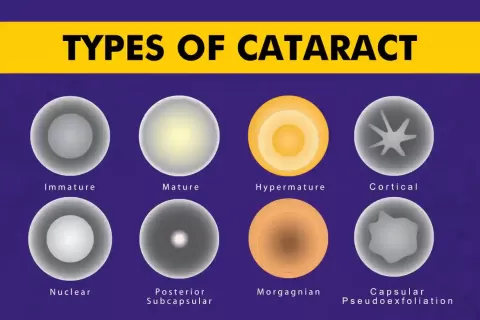
However, waiting too long can cause the lens to become very hard, or “mature” or “hypermature.” This can make surgery more complex, slow recovery, and make the retina harder to examine or treat if you have other eye problems.
That's why your doctor will guide you in choosing the right time for cataract surgery.
Risks of Delaying Cataract Surgery
Even though you can wait, delays can have real costs, including effects on safety, the difficulty of the operation, and overall well-being.
| Risk of delaying | What it means for you |
|---|---|
| Falls and accidents | Glare and low contrast raise the risk of trips, while night driving can become unsafe. |
| More difficult surgery and recovery | A denser lens may mean a longer operation, a higher chance of complications, and slower healing. |
| Secondary eye problems | A delayed cataract can trigger lens-induced glaucoma or inflammation that requires urgent care. |
| Greater difficulty treating other eye diseases | Dense cataracts can block the view of the retina, delaying treatment for diabetic eye disease or macular conditions. |
| Reduced quality of life and mood | Poor vision may lead to less independence, increased frustration, and lower day-to-day confidence. |
Increased Risk of Falls and Accidents
Cataracts reduce contrast and increase glare, which can literally trip you up. Studies show that treating the first eye reduces falls by approximately 34%. People with vision conditions, including cataracts, also have a higher risk of falls and fractures.
More Difficult Surgery and Recovery
As a cataract becomes denser, surgery can take longer, and the risk of complications, such as posterior capsule rupture, may increase. Very hard lenses may require a larger incision and a longer healing time. Risk factors for cataracts include age, UV exposure, smoking, diabetes, long-term steroid use, and eye injuries. Acting before the lens becomes “mature” can help keep the procedure simpler.
Development of Secondary Eye Problems
An overripe cataract can trigger lens-induced glaucoma, such as phacomorphic or phacolytic glaucoma, causing sudden pressure spikes and pain or ongoing inflammation. These are preventable reasons not to delay treatment for too long.
Impact on Mental and Emotional Well-Being
Living with poor vision can affect mood and confidence. Research links cataract-related vision loss with a higher risk of depression, while surgery may improve quality of life and mental health. This is another reason not to postpone care indefinitely.
Practical Tip
If you're wondering when to have cataract surgery, the practical rule is this: once vision limits your daily life or safety, it's time to discuss surgery with your eye doctor.
Conclusion
The best time for cataract surgery is when blurred vision starts to limit everyday life or safety. Look for practical signs, such as trouble reading or driving, strong glare at night, and vision that no longer improves with new glasses.
You can wait if you're coping well and your doctor is monitoring your condition, but delaying too long can mean a more difficult operation and increased risks. When clear vision matters more than waiting, it may be the right time to have cataract surgery.
Frequently Asked Questions
What Happens If Cataract Surgery Is Delayed for Too Long?
Is There an Ideal Season for Cataract Surgery?
How Soon Can One Resume Normal Activities After Cataract Surgery?
Can Cataracts Come Back After Surgery?
Is Cataract Surgery Safe for Elderly Patients?

Could not find what you are looking for?


