Eye care in winter becomes more important for children because cold wind, dry indoor air, and extra screen time can all make the eyes uncomfortable.
Many parents notice redness, rubbing, watering, or dry eyes in winter, but they are not always sure whether it is simple irritation, strain, or an infection. In this blog, you will learn the most common winter eye problems, simple child eye care tips, and the warning signs that mean your child should see an eye doctor.
Why Winter Can Bother a Child’s Eyes
Winter changes the environment around the eye. The air becomes drier, room heaters and blowers make indoor air less comfortable, and children also tend to spend more time on phones, tablets, TV, or gaming screens during holidays and shorter evenings.
Children’s eyes can also get irritated during screen use because they blink less. Children who stare at screens for long periods do not blink enough, which can make the eyes dry, painful, and blurry.
The National Eye Institute notes that dry eye gets worse when tears dry up too fast, and it specifically advises avoiding wind and overly dry indoor air, using a humidifier, limiting screen time, and taking breaks from staring at screens.
Common Winter Eye Problems in Children
Winter itself does not increase the risk of conjunctivitis, but viral and bacterial conjunctivitis can spread more easily through close contact and poor hygiene.
| Problem | Why can winter make it worse? | What parents notice? | What helps? |
|---|---|---|---|
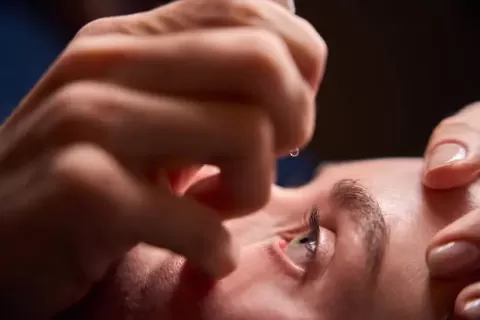
| Dry eyes in winter | Dry indoor air, wind, and less blinking on screens | Burning, scratchy feeling, redness, light sensitivity, blurry vision | Humidifier, screen breaks, blinking, artificial tears if advised |
| Screen-related eye strain | More indoor time and longer screen sessions | Eye rubbing, headaches, eye pain, blur, tired eyes | 20-20-20 breaks, larger screens, proper distance |
| Pink eye / conjunctivitis | Infections spread easily when hygiene slips | Redness, discharge, crusting, irritation | Handwashing, no sharing towels, doctor review if discharge is heavy |
| UV glare outdoors | Snow and bright reflected light increase exposure | Squinting, discomfort, light sensitivity | Child-sized sunglasses with strong UV protection |
Dry Eyes in Winter
This is one of the most common cold-weather complaints. Dry eye can cause a scratchy feeling, stinging, burning, red eyes, sensitivity to light, and blurry vision, and it can happen when tears do not work properly or dry up too fast.
For a child, this does not always come out as “my eyes are dry.” A younger child may simply rub their eyes, blink frequently, complain that the board or TV looks blurry for a moment, or avoid reading for long. That is why parents should watch behavior, not only wait for perfect symptoms.
Screen Strain During Winter Holidays
Winter means more indoor entertainment. Long screen time can cause eye strain, eye pain, headaches, and blurry vision, and eye doctors recommend the 20-20-20 rule: every 20 minutes, have the child look at something 20 feet away for 20 seconds.
Eye doctors also give useful age-based guidance:
- Under 2 years: No screen time except video calls.
- Ages 2 to 5 years: Limit screens to 1 hour a day.
They also suggest keeping the screen at least 25 inches away and using bigger screens when possible instead of a small phone held close to the face.
Pink Eye and Winter Hygiene
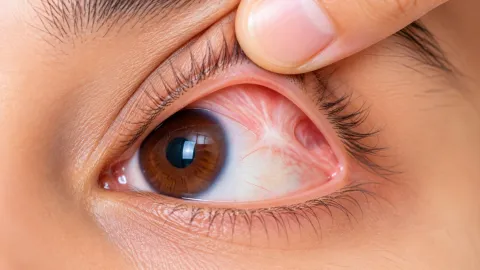
Not every red eye in winter is “just dryness.” Conjunctivitis, or pink eye, can be caused by viruses, bacteria, allergies, or irritation, and viral or bacterial forms can be contagious.
Prevention is simple but strict: wash hands with soap and water for at least 20 seconds, do not touch or rub the eyes with unwashed hands, and do not share towels, pillows, eye drops, or eyewear. In everyday family life, this matters a lot during school season, sleepovers, shared bedding, and cold-and-cough months.
Winter Sun and Snow Glare
Parents think sunglasses are only for summer, but winter glare can be harsh.
Healthy Children says snow reflects up to 80% of the sun’s rays and that snow blindness, also called photokeratitis, can happen even to infants in strollers, toddlers playing in snow, and older children outdoors. Eye doctors also advise sunglasses with at least 99% UV protection for children, that protects from both UVA and UVB.
Best Child Eye Care Tips for Winter
Parents do not need a complicated routine. A few small habits can make winter much easier on a child’s eyes.
- Add moisture to the room: Doctors recommend a humidifier when the air in the home gets too dry, as humidifiers can help children whose eyes get dry in winter. This is especially useful if your child sleeps with a heater running or spends long hours in a closed room.
- Keep heaters and blowers away from the face: Please avoid wind and air directly blowing toward the eyes because this can worsen dryness. A child sitting directly in front of a blower heater or car vent feels eye irritation faster than an adult.
- Use screen breaks properly: Doctors recommend the 20-20-20 rule and remind parents that children blink less on screens. This is one of the simplest ways to reduce winter eye problems linked with indoor time.
- Keep outdoor play in the routine: Please encourage your child for at least 1–2 hours of outdoor play each day, which helps overall eye and body health. Even in winter, children still need daylight and movement, just with the right clothing and eye protection.
- Use proper winter sunglasses: Choose sunglasses that block 99–100% of UVA and UVB rays. This matters even more if your child travels to snowy places, hill stations, or spends time outdoors in bright reflected light.
- Teach “hands off the eyes”: Please encourage your children to practice frequent handwashing and not rubbing the eyes. For children, this is one of the most useful daily rules because rubbing can worsen dryness and also spread pink eye.
- Stop screens before bed: It is best to stop screens at least 1 hour before bedtime, which helps sleep and also reduces late-evening eye strain. Winter pushes bedtime later during holidays, so this one habit helps more than parents expect.
When Should You Take Your Child to an Eye Doctor?
A little dryness after a windy day is common, but some signs should not be ignored. Dry eye can cause blur, redness, burning, and light sensitivity, while screen-related symptoms which are worth checking include eye pain, headaches, blurry vision, double vision, and eye strain.
Book an eye check if your child has:
- Redness that does not settle
- Frequent eye rubbing or blinking
- Eye pain or strong light sensitivity
- Repeated blurry vision
- Yellow or green discharge
- Crusting on the lashes
- Swelling around the eye
- Trouble keeping one eye open