-
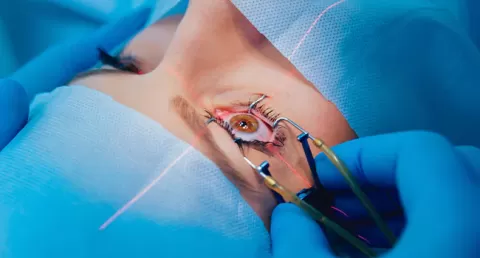
What to Expect Before and After LASIK Eye Surgery
Key Takeaways: Before LASIK eye surgery: Finish all eye tests, stop contact lenses as advised, share your full medical history, arrange a ride home, and avoid eye makeup/perfume on the day. What happens in LASIK: Eyes are numbed, a thin flap…
6 minutes read -
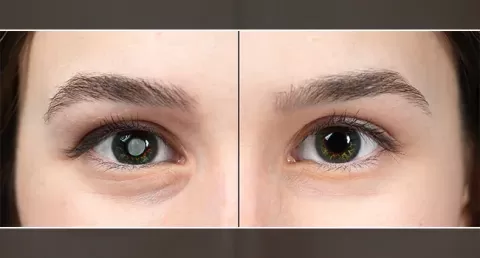
Phacoemulsification Cataract Surgery: Procedure, Benefits, and Recovery
Summary: Phacoemulsification cataract surgery is a minimally invasive technique that uses ultrasonic energy to break and remove a cloudy lens (cataract) through a tiny corneal incision. The procedure, followed by intraocular lens (IOL) implantation…
7 minutes read -
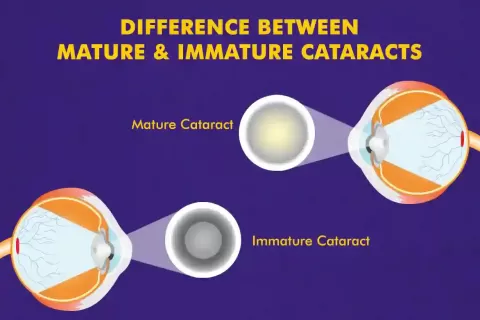
Mature vs Immature Cataract ? Understanding the Differences
Key Takeaways: Immature cataract: early stage: lens is partly cloudy; blur and glare are mild to moderate. Mature cataract: advanced stage: lens is mostly or fully cloudy; vision is much worse, and daily tasks get hard. Symptoms (immature):…
7 minutes read -
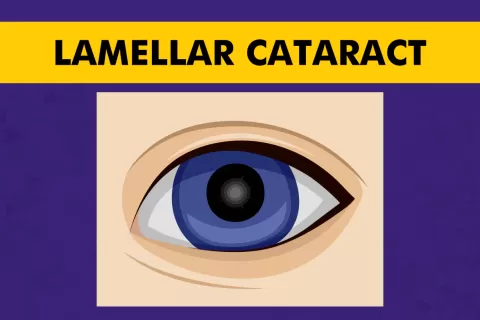
Lamellar Cataract (Zonular): Causes, Symptoms and Surgery
Key Takeaways: What is Lamellar (zonular) cataract: It is a type of cataract that is a cloudy layer inside the lens, ring-like, affecting one or both eyes.? Who gets it: Commonly congenital/childhood, but can be seen in adults, too.? Main…
8 minutes read -
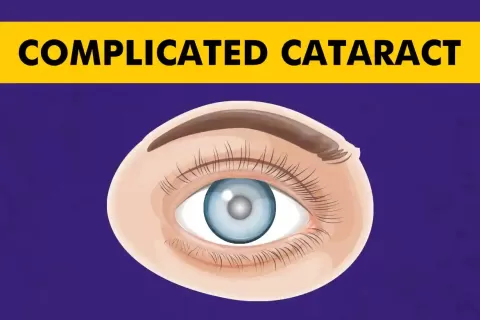
Complicated Cataract: Causes, Symptoms, and Treatment
Key Takeaways: A complicated cataract is a cataract caused by another eye condition, which means it may progress faster and is often more challenging to manage. Common causes: Long-standing uveitis, retinal diseases (e.g., retinitis pigmentosa…
7 minutes read -
How to Get Rid of Cataracts Without Surgery
Key Takeaways: Cataracts can be slowed?but not reversed?without surgery. Antioxidants and herbal extracts may reduce oxidative damage. UV protection and lifestyle control delay progression. Always consult an eye specialist for diagnosis and…
5 minutes read -
LASIK Recovery Time: Timeline, Tips & Return to Work
Key Takeaways: Recovery for LASIK Surgery is quick for most people, with clearer vision in 24?48 hours, then steadies over a few weeks. First 24 hours matter: Rest eyes, avoid screens/bright light, use drops on time, and wear the night shield…
6 minutes read -
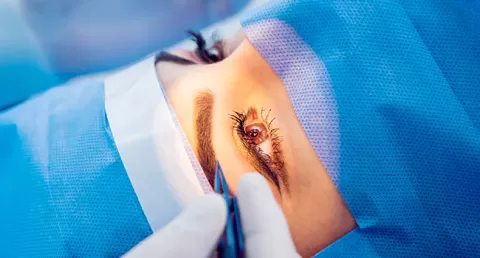
Types of Laser Eye Surgery: LASIK, PRK, SMILE, SILK & More
Key Takeaways: Laser eye surgery reshapes the cornea so light focuses clearly, reducing dependence on glasses or contacts. Not one-size-fits-all: The ?best? option depends on your eyes, power, corneal thickness/shape, dry-eye risk, lifestyle,…
9 minutes read -
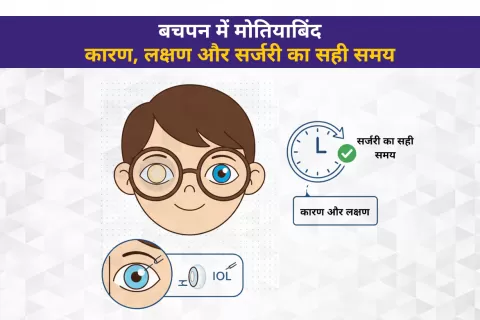
बचपन में मोतियाबिंद: कारण, लक्षण और सर्जरी का सही समय
विषयसूचीक्या होता है बचपन का मोतियाबिंद (कंजेनिटल कैटरेक्ट)?बचपन में मोतियाबिंद के प्रमुख कारणबच्चों में मोतियाबिंद के लक्षण कैसे पहचानें?सर्जरी कब ज़रूरी होती है?बच्चों की मोतियाबिंद सर्जरी में क्या सावधानियां होती हैं?बचपन के मोतियाबिंद का समय पर…
5 minutes read -
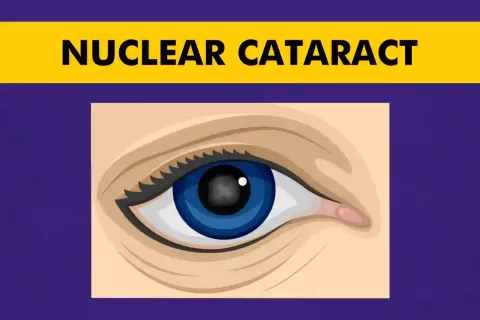
Nuclear Cataract Symptoms, Causes, and Treatment Options
Key Takeaways: Nuclear cataract affects the central part of the lens (nucleus), causing gradual blur, dull colours, and night glare. It develops slowly with age due to protein changes in the lens, and risk increases with UV exposure, smoking,…
8 minutes read


