What Is Pediatric Ophthalmology?
- By Centre For Sight
- 5 minutes
Blog Summary
Paediatric ophthalmology is a specialised field that focuses on diagnosing and treating childhood eye diseases and vision disorders in children up to 16 years of age. Since children often cannot express or recognise vision problems, early pediatric vision testing and timely evaluation by a pediatric ophthalmologist are essential.
This blog explains what paediatric ophthalmology is, the role of a pediatric eye doctor, symptoms that indicate possible pediatric eye problems, and the most common eye problems in childhood. It also shares practical eye-care tips to support healthy visual development.
What Is Pediatric Ophthalmology?
Pediatric ophthalmology is a specialised branch of eye care that focuses on diagnosing and treating childhood eye diseases and vision disorders in children up to 16 years of age. Many pediatric eye problems begin early in life, and children may not recognise or communicate vision difficulties. This makes timely evaluation essential.
If a paediatrician notices a possible vision issue or your child does not pass pediatric vision testing, they will refer you to a pediatric ophthalmologist, a doctor trained to identify and treat eye conditions in children. Early detection plays a critical role because certain eye disorders, if untreated in the first months of life, can lead to permanent vision impairment. Understanding what pediatric ophthalmology is helps parents respond quickly and protect their child's visual development.
What do Pediatric Ophthalmologists in India do?
A pediatric eye specialists?in diagnosing, treating, and managing eye problems unique to children. Their role includes:
- Detecting common eye problems in childhood
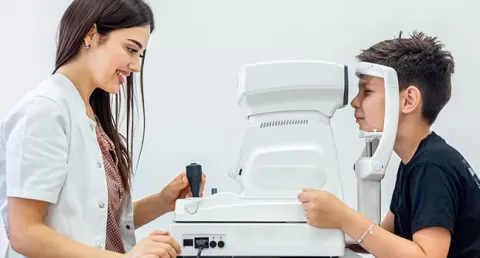
- Conducting specialised pediatric vision testing
- Managing issues related to reading, learning, or eye coordination
- Treating childhood eye diseases through medicines, glasses, therapies, or surgery
- Monitoring visual development during early childhood, a period crucial for optic nerve growth
- Identifying structural or functional eye issues before they cause long-term damage
In India, pediatric ophthalmologists are essential in ensuring early detection of vision disorders. If childhood eye diseases are left untreated, especially within the first six months after birth, they may cause lifelong visual impairment. Early intervention through paediatric ophthalmology helps preserve normal visual development.
Pediatric Eye Problems in India: Symptoms to Worry About
Many children do not realise they have vision issues, so parents must watch for warning signs. Consult a pediatric ophthalmologist if your child shows any of the following symptoms:
- A white or yellow reflex in the pupil
- Frequent squinting
- Eyes shaking or moving abnormally
- Excessive watering
- Constant eye rubbing
- Crust, discharge, or pus in the eyes
- Crossed or misaligned eyes
- Bulging eyes or drooping eyelids
- Persistent redness
- Regular head tilting or turning
Early identification and treatment can prevent many pediatric eye problems from affecting long-term vision.
Common Eye Problems in Childhood
Here are the common eye problems in childhood that often require attention:
- Amblyopia (Lazy Eye)
A condition where the brain favours one eye over the other, leading to poor vision in the weaker eye. Without timely treatment, it may cause permanent visual loss.
- Chalazion
A painless lump caused by a blocked oil gland in the eyelid. Large chalazia can droop over the pupil and obstruct vision.
- Nearsightedness (Myopia)
Light focuses incorrectly on the retina, leading to blurred distance vision. Early diagnosis and glasses can correct this.
- Strabismus (Crossed Eyes)
Misaligned eyes pointing in different directions. If untreated, it may progress to amblyopia.
- Epiphora (Watery Eyes)
Caused by blocked tear ducts, allergies, or infections. Persistent tearing needs evaluation to prevent complications.
Tips For Paediatric Ophthalmology Care
Many paediatric ophthalmology care methods can help kids save their eyes. Here are the three best eye care tips to keep in mind:
- Adequate Rest for Eyes: It's advised to take regular breaks every 30 to 40 minutes, whether reading, writing, or using a computer. Reduced use of handheld devices, cell phones, and other electronic devices is also necessary.
- Encourage Outdoor Games: Including more outdoor activities with your child, such as cycling or swimming, is advantageous. These leisure activities help your child's hand-eye coordination and promote physical fitness.
- Say Yes To Healthy Habits: A child must get eight hours of sleep every night to avoid eye fatigue. Foods high in lutein and zeaxanthin can help prevent free radical damage to the eyes.
If your child suffers from any visual problems, visit the nearest Centre For Sight hospital in India and get your child's vision tested. Centre for Sight, India, aims to deliver quality eye care. It offers comprehensive and cutting-edge eye care services. Furthermore, the centre provides amenities on par with international standards and among the nation's best.
Conclusion
Healthy vision is essential for a child's learning, development, and overall well-being. Paediatric ophthalmology plays a vital role in detecting and treating childhood eye diseases at the right time. Regular pediatric vision testing, timely intervention, and awareness of common eye problems in childhood can prevent many long-term complications.
Centre For Sight provides expert pediatric ophthalmologists and state-of-the-art facilities to ensure your child receives the best possible eye care. If you notice any symptoms or have concerns about your child's vision, seek prompt evaluation to protect their eyesight for life.
Frequently Asked Questions
What is a pediatric eye doctor?
What is the study of pediatric ophthalmology?
Why is pediatric ophthalmology important?
Can a paediatrician treat the eye?
When to worry about a child's eye?
Could not find what you are looking for?


