How Hyperopia Affects Your Daily Life
- By Centre For Sight
- 6 minutes
Blog Summary
- Hyperopia often goes unnoticed in early stages, but continuous eye strain and focusing effort can gradually impact productivity, making early diagnosis essential for preventing long-term visual fatigue and discomfort.
- Children may compensate for farsightedness temporarily, but untreated hyperopia can silently affect learning ability, attention span, and academic performance, highlighting the importance of regular pediatric eye evaluations.
- Age-related changes in lens flexibility make hyperopia more symptomatic in adults, increasing dependence on corrective lenses and affecting comfort during daily near-vision tasks like reading and screen use.
- Modern hyperopia treatment options, including advanced laser procedures, provide long-term vision correction with minimal downtime, offering an effective alternative to glasses or contact lenses for suitable candidates.
- Ignoring persistent symptoms like headaches, eye strain, or blurred near vision can lead to reduced concentration and safety risks, especially during activities requiring quick visual focus adjustments.
Hyperopia is also known as farsightedness. It is a fairly common eye condition in which you can easily see far-off objects, but nearby objects appear blurred. When hyperopia becomes severe, it can start affecting your everyday life. Fortunately, early detection and timely care can help manage the condition effectively.
If you’re wondering what is hyperopia, it is a refractive error where the eye cannot properly focus light on the retina, making near objects appear unclear while distant vision remains relatively sharp.
Hyperopia Meaning and How It Affects Vision
The hyperopia meaning refers to a vision condition in which the eyeball is either shorter than normal or the cornea has insufficient curvature. Because of this, light entering the eye focuses behind the retina instead of directly on it, leading to blurred near vision.
This is why individuals with hyperopia often struggle with reading, using digital devices, or performing tasks that require close focus.
Common Farsightedness Symptoms
Hyperopia symptoms include:
- Eyestrain and discomfort
- Frequent headaches
- Squinting to read or see nearby objects
- Difficulty using the phone or computer/laptop
- Near work strain, such as reading, knitting, or sewing.
These symptoms often worsen after prolonged periods of close focus, making daily tasks tiring.
Additional farsightedness symptoms may include a burning sensation in the eyes, blurred near vision, difficulty concentrating on close tasks, and fatigue after extended screen time or reading. Some individuals may also experience intermittent double vision or the need to frequently adjust focus.
In children, symptoms may appear as a lack of attention, avoiding reading, holding books too far away, or complaining of headaches, which can impact learning and academic performance.
What Causes Farsightedness? Is There a Root Cause?
While searching for hyperopia causes, you may not find one single reason behind hyperopia. There are several contributing factors.
Very often, hyperopia develops when:
- The eyeball is too short
- The cornea is not curved enough
Both conditions prevent light from focusing correctly on the retina, resulting in blurred near vision.
Genetics also play a significant role, as hyperopia can run in families. In many cases, people are born with hyperopia, but it becomes noticeable only as the eye’s natural focusing ability decreases with age.
Additionally, age-related stiffening of the eye’s lens reduces its flexibility, making it harder to focus on nearby objects. Lifestyle factors like prolonged screen use may further worsen symptoms, although they are not direct causes.
How Hyperopia Affects Your Daily Life
When hyperopia progresses, it can interfere with routine activities and reduce overall visual comfort. Simple tasks like reading messages, working on a laptop, or even cooking can become uncomfortable due to the constant effort required to focus on nearby objects. This continuous strain forces the eyes to work harder than usual, often leading to quicker fatigue.
People with hyperopia may experience tired eyes even after short periods of reading, avoid close-up tasks, and struggle with prolonged screen use. Over time, this can affect concentration levels and reduce efficiency in both academic and professional settings. Additionally, frequent headaches and eye discomfort can disrupt daily routines and lower productivity. If left unaddressed, this constant strain can negatively impact learning, work performance, and overall quality of life.
Hyperopia in Children vs Adults
Hyperopia can affect both children and adults differently.
- In children, mild hyperopia may go unnoticed as their eyes can naturally adjust and compensate for blurred near vision. However, untreated cases can lead to difficulties in reading, reduced attention span, and challenges in academic performance, ultimately affecting learning and development.
- In adults, the condition becomes more noticeable with age as the eye lens gradually loses flexibility, making it harder to focus on nearby objects. This can result in frequent eye strain, headaches, and discomfort during tasks like reading or using digital devices.
Regular eye check-ups are crucial for early detection, especially in children, to prevent long-term complications and ensure healthy vision.
Hyperopia Treatment Options
When it comes to hyperopia treatment, the approach depends on the severity of the condition and individual lifestyle needs.
Eyeglasses and Contact Lenses
Hyperopia treatment without delay is necessary to prevent worsening vision.
Prescription glasses or contact lenses help correct the refractive error and improve clarity. These are the most common and non-invasive options for managing farsightedness.
Lifestyle Adjustments
Simple changes like taking screen breaks, improving lighting, and maintaining proper reading distance can help reduce strain.
Surgical Options
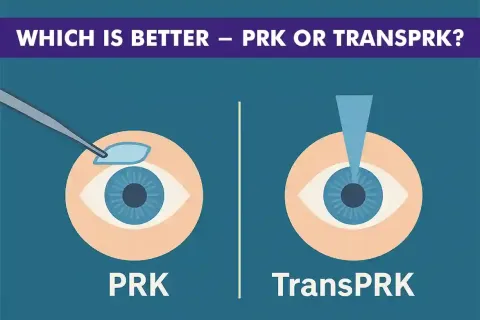
For those seeking a long-term solution, refractive surgeries can be considered. Procedures include:
Your ophthalmologist will recommend the most suitable procedure after a detailed evaluation.
Modern techniques are bladeless, highly precise, and offer faster recovery with minimal downtime.
After surgery, you may need to rest for 24-48 hours and follow post-operative care instructions.
What Happens If Hyperopia Is Left Untreated?
Leaving hyperopia unattended can lead to multiple challenges. Those with farsightedness are more prone to safety issues, especially while:
- Driving
- Crossing the road
- Operating machinery
Although distant objects may appear clear, difficulty in focusing on nearby details like dashboards or mobile devices can create risky situations.
Chronic strain may also lead to persistent headaches, reduced concentration, and overall visual discomfort.
When Should You See a Doctor?
If you experience persistent farsightedness symptoms such as blurred near vision, headaches, or eye strain, it is important to consult an eye specialist.
Early diagnosis can help prevent progression and improve quality of life.
Why Choose Professional Eye Care?
Get in touch with us at Centre for Sight to get a detailed consultation with experienced eye doctors. We are available in more than 30 cities and have a trusted team of highly qualified specialists.
With advanced diagnostic tools and personalized hyperopia treatment plans, you can achieve better vision and long-term eye health.
Conclusion
Hyperopia is a common yet manageable eye condition that can significantly impact your daily life if ignored.
Understanding what is hyperopia, recognizing early farsightedness symptoms, and choosing the right hyperopia treatment can help you maintain clear and comfortable vision. With timely care, proper correction, and expert guidance, you can continue to enjoy everyday activities without visual discomfort.
Frequently Asked Questions
What is hyperopia, and how does it affect vision?
What are common farsightedness symptoms?
Can hyperopia go away on its own?
What is the best hyperopia treatment?
Is hyperopia serious if left untreated?

Could not find what you are looking for?


