Lifestyle Changes That Can Slow Glaucoma Progression
- By Centre For Sight
- 10 minutes
Blog Summary
- Lifestyle changes that slow glaucoma progression can support optic-nerve protection, but they cannot cure glaucoma or reverse damage that has already happened.
- The most important daily step is still taking glaucoma medicines exactly as prescribed and not replacing drops, laser, or surgery with “natural” methods.
- Moderate aerobic exercise is one of the best supportive habits for glaucoma. Activities like walking, cycling, and swimming help lower eye pressure and are linked with slower visual-field loss when done regularly.
- A balanced diet supports general eye and vascular health. The safest glaucoma-friendly diet is built around leafy greens, fruits, nuts, legumes, fish, and whole foods, rather than supplements or single “superfoods.”
- Large caffeine loads can raise eye pressure temporarily in some people, so most glaucoma patients do better with moderate intake instead of repeated strong coffees, energy drinks, or very high caffeine in a short time.
- Water timing matters, proper hydration is important, but drinking a large amount of water very quickly can temporarily raise eye pressure. Small, regular amounts throughout the day are a smarter habit.
- Sleep and glaucoma are closely connected. Eye pressure tends to rise during sleep, and people with glaucoma should avoid pressing an eye hard into the pillow. Sleep apnea is also worth discussing if there is heavy snoring or daytime sleepiness.
- Certain activities need caution: head-down yoga poses, inverted positions, heavy straining, and breath-holding can raise eye pressure quickly and should be avoided or discussed with your doctor.
- Stress management still matters, not because stress directly causes glaucoma, but because poor sleep, tiredness, and stress can make medication routines and daily care harder to maintain.
- The best glaucoma lifestyle plan is not extreme; it is steady, realistic, and combined with proper follow-up, because long-term consistency matters more than short bursts of effort.
Lifestyle changes that slow glaucoma progression matter because glaucoma damages the optic nerve slowly, and that damage cannot be reversed once it happens.
Many people know they need drops or surgery, but they are not always sure whether everyday habits like exercise, sleep, food, caffeine, and water intake can also make a difference.
In this blog, you’ll discover how certain lifestyle habits can help protect your eyesight, which habits may be harmful, and why proper glaucoma treatment remains essential.
What Is Glaucoma, and Why Does Daily Routine Matter?
Glaucoma is a group of eye diseases characterised by progressive optic nerve damage. Elevated intraocular pressure is the most important modifiable risk factor, although glaucoma can also occur despite normal intraocular pressure.
It affects about 80 million people worldwide and is projected to reach 111.8 million by 2040, which is one reason regular care matters so much.
The most important point comes first: lifestyle does not cure glaucoma. The Glaucoma Research Foundation says healthy habits help prevent further damage, but they do not reverse damage that has already happened, and regular treatment remains the main way to protect sight.
Why Lifestyle Helps, but Cannot Replace Treatment?
This is the part that many patients need to be explained clearly. Glaucoma care still depends on controlling eye pressure and following the treatment plan your ophthalmologist gives you, whether that includes eye drops, laser, surgery, or a combination. Lifestyle works as support, not as a substitute.
A simple way to think about it is this: treatment is the foundation, and lifestyle is the reinforcement. If the foundation is weak because drops are skipped or check-ups are delayed, healthy food and better sleep alone will not protect the optic nerve well enough.
Lifestyle Changes That Slow Glaucoma Progression
Before going into each habit one by one, here is the short version.
| Habit | Why does it matter? | Note |
| Take medicines exactly as prescribed | This is still the most important daily action | Do not replace drops with “natural” methods |
| Do regular moderate exercise | It lowers eye pressure and is linked with slower visual-field loss | Walking, cycling, and swimming are good options |
| Eat a balanced diet | Nutrition supports overall eye and vascular health | Focus on leafy greens, fruits, nuts, fish, and whole foods |
| Limit large caffeine loads | Big doses raise eye pressure in some people | Moderate intake is safer than frequent strong doses |
| Drink water steadily, not all at once | Large amounts can quickly and temporarily raise eye pressure | Sip water throughout the day |
| Sleep wisely | Sleep position and sleep disorders can matter | Avoid pressing the eye into the pillow; discuss sleep apnea |
| Avoid head-down strain | Some poses and heavy straining can raise eye pressure | Be careful with inverted yoga and breath-holding |
Diet and Glaucoma: What to Eat, and What Not to Overclaim
Food alone does not “treat” glaucoma, but it can support general eye and blood-vessel health. The Glaucoma Research Foundation says nutrition cannot prevent or cure glaucoma by itself, but a diet rich nutrients supports eye health and complements standard treatment.
A balanced diet with leafy greens, fruits, nuts, legumes, and fish is the safest way to think about glaucoma-friendly eating. Some observational studies have found an association between higher intake of green leafy vegetables and a lower risk of primary open-angle glaucoma.
That does not mean one “superfood” will stop glaucoma from worsening. It means a steady diet built around vegetables, fruit, whole grains, healthy fats, and fish is more helpful than relying on supplements or internet cures. The Mediterranean-style pattern is discussed for exactly this reason.
What about omega-3s?
Fish such as salmon, sardines, and mackerel are recommended because they support general eye health and overall vascular health. But again, it is better to think of omega-3s as part of a healthy eating pattern, not as a stand-alone glaucoma treatment.
Caffeine: Do You Need to Stop Tea and Coffee Completely?
This is one of the most common questions, especially for Indian readers who drink tea or coffee daily. The evidence is not strong enough to say that everyone with glaucoma must stop caffeine completely, but large amounts can raise eye pressure for a short time in some people.
Large amounts of caffeine increase IOP, and a systematic review found that caffeine can produce a small short-term IOP rise, especially in people with glaucoma or ocular hypertension.
So the practical answer is moderation. One normal cup is very different from repeated strong coffees, energy drinks, or very high caffeine intake in a short period. If your glaucoma is unstable or your doctor has noticed pressure sensitivity, it is worth asking how much caffeine is reasonable for you personally.
Water Intake: Hydration Helps, but the Timing Matters
People with glaucoma still need proper hydration, but the way they drink water can matter.
The Glaucoma Research Foundation says drinking large quantities of water in a short period can temporarily raise eye pressure, and one older finding cites that as many as 80% of people with glaucoma who drank a quart of water over about 20 minutes showed elevated IOP, compared with about 20% of people without glaucoma.
That does not mean “drink less water.” It means drink in a smarter way. Small to moderate amounts spread across the day are better than suddenly drinking a large bottle at once. This is one of the easiest supportive habits for people trying to slow glaucoma progression.
Exercise and Glaucoma: One of the Best Daily Habits
Regular exercise is one of the most useful lifestyle steps in glaucoma care.
Reviews show that aerobic exercise can cause a short-term drop in eye pressure, and one real-world glaucoma study found that every 10 minutes of daily moderate-to-vigorous activity was associated with about 10% slower rates of visual-field loss.
The best type is moderate, steady movement. Walking, cycling, swimming, and other low-impact aerobic activities are the most commonly recommended because they help general circulation, weight, mood, and blood pressure without the eye-pressure spikes that can come with straining.
A 30-minute brisk walk done most days is more useful than doing nothing all week and then pushing through one very intense session on Sunday. For glaucoma, consistency is safer and more helpful than sudden heavy effort.
Not every form of exercise affects the eyes in the same way. Head-down positions can greatly raise eye pressure, and studies on inverted yoga poses have shown a rapid rise in IOP in both healthy people and glaucoma patients.
Heavy lifting and breath-holding can also be a problem for some patients because straining can push pressure up. This does not mean you must stop all strength training forever, but it does mean form, breathing, and exercise choice matter.
If you already have advanced glaucoma or unstable pressure, this is worth discussing with your ophthalmologist before changing your workout routine.
Sleep and Glaucoma: More Important Than Many People Think
Sleep is not just rest for the body. Glaucoma Research Foundation notes that eye pressure rises during sleep because lying flat affects drainage, and overall IOP can increase by about 10% to 20% overnight when these effects are combined. It also notes that optic-nerve blood flow changes during sleep and that sleep problems may be linked with progression.
Doctors also advise people with glaucoma not to sleep with an eye pressed hard against the pillow or arm, because that worsens pressure on that side. This sounds like a small detail, but over months and years, small pressure stresses matter in vulnerable optic nerves.
What about snoring and sleep apnea?
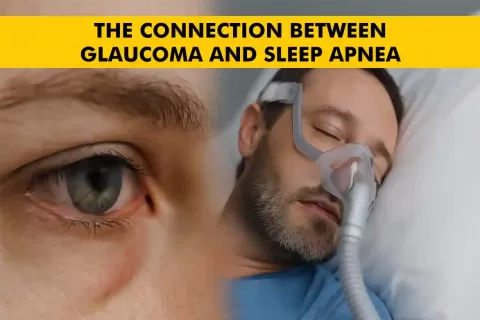
This is an important point that many people miss. Sleep apnea has been linked with glaucoma and is associated with faster progression in some patients, so heavy snoring, choking during sleep, or daytime sleepiness should not be ignored.
If glaucoma seems to worsen despite good treatment, a sleep history is worth discussing with both the eye doctor and the family physician.
Stress: Helpful to Manage, but Do Not Overstate the Science
Older articles on the internet say stress directly raises glaucoma pressure, but that is too simple. The Glaucoma Research Foundation states clearly that stress does not cause glaucoma and that there are no studies proving a direct connection.
However, it also notes that many patients feel vision is worse when they are tired, stressed, or sleeping poorly, and stress can make treatment routines harder to follow.
So stress management still matters, just for a more honest reason. It helps sleep, routine, blood pressure stability, and medication adherence. Simple practices like breathing exercises, walking, mindfulness, and regular downtime are reasonable because they support the whole system, even though they are not stand-alone glaucoma therapy.
Screen Time, Work Habits, and Daily Eye Comfort
Screen use does not directly “cause” glaucoma, but long hours at a screen can increase dryness, fatigue, and missed drop timings. That is why supportive routine matters: use reminders for drops, take regular breaks, and do not let long workdays turn into missed care.
For many people, the biggest lifestyle mistake is not caffeine or yoga. It is simply forgetting treatment because the eye feels fine. Open-angle glaucoma has no early symptoms, so people can feel normal even while damage is slowly continuing.
Daily Habits to Avoid or Discuss With Your Doctor
- Do not stop glaucoma drops because you feel better. Glaucoma stays silent until damage is advanced.
- Do not replace treatment with supplements or home remedies. Every nutrition guidance says diet supports care but does not cure glaucoma.
- Avoid very large amounts of caffeine at once, especially if your pressure is hard to control.
- Avoid drinking a large volume of water very quickly. Spacing fluids throughout the day is better.
- Be careful with inverted yoga poses and heavy straining. These can raise IOP quickly.
- Ask before using OTC decongestants or allergy medicines if you have angle-closure risk, because some can trigger pupil dilation and acute angle-closure in susceptible patients.
When Lifestyle Changes Matter Most?
Lifestyle changes matter most when they are steady and realistic. A perfect diet for one week or a hard exercise burst for ten days will not do as much as months of consistent medication use, regular walking, better sleep, moderate caffeine, and sensible daily habits.
That is also why follow-up matters. Your doctor is not only checking your pressure. They are also checking whether the optic nerve and visual field are staying stable. Lifestyle supports that goal, but monitoring is what shows whether the plan is actually working.
Conclusion
Lifestyle changes that slow glaucoma progression are worth taking seriously, but they work best as support for proper medical care, not as a replacement for it.
The most useful habits are the simplest ones: take your medicines regularly, exercise in a moderate and steady way, eat a balanced diet, avoid very large caffeine or water loads in a short time, and sleep in a way that does not put unnecessary pressure on the eye.
Glaucoma damage cannot be reversed, but early treatment plus sensible daily habits can help protect the vision you still have. The next step is not to overhaul everything at once, but to pick a few changes you can actually maintain and discuss them at your next glaucoma visit.
Frequently Asked Questions
Can lifestyle changes cure glaucoma?
Does walking help glaucoma?
Does caffeine raise eye pressure?
Is yoga safe if I have glaucoma?
How should glaucoma patients drink water?
Related Blogs
Could not find what you are looking for?


